
BPC-157 vs TB-500
Different mechanisms, frequently paired. Here is what each one is and why they are often discussed together.
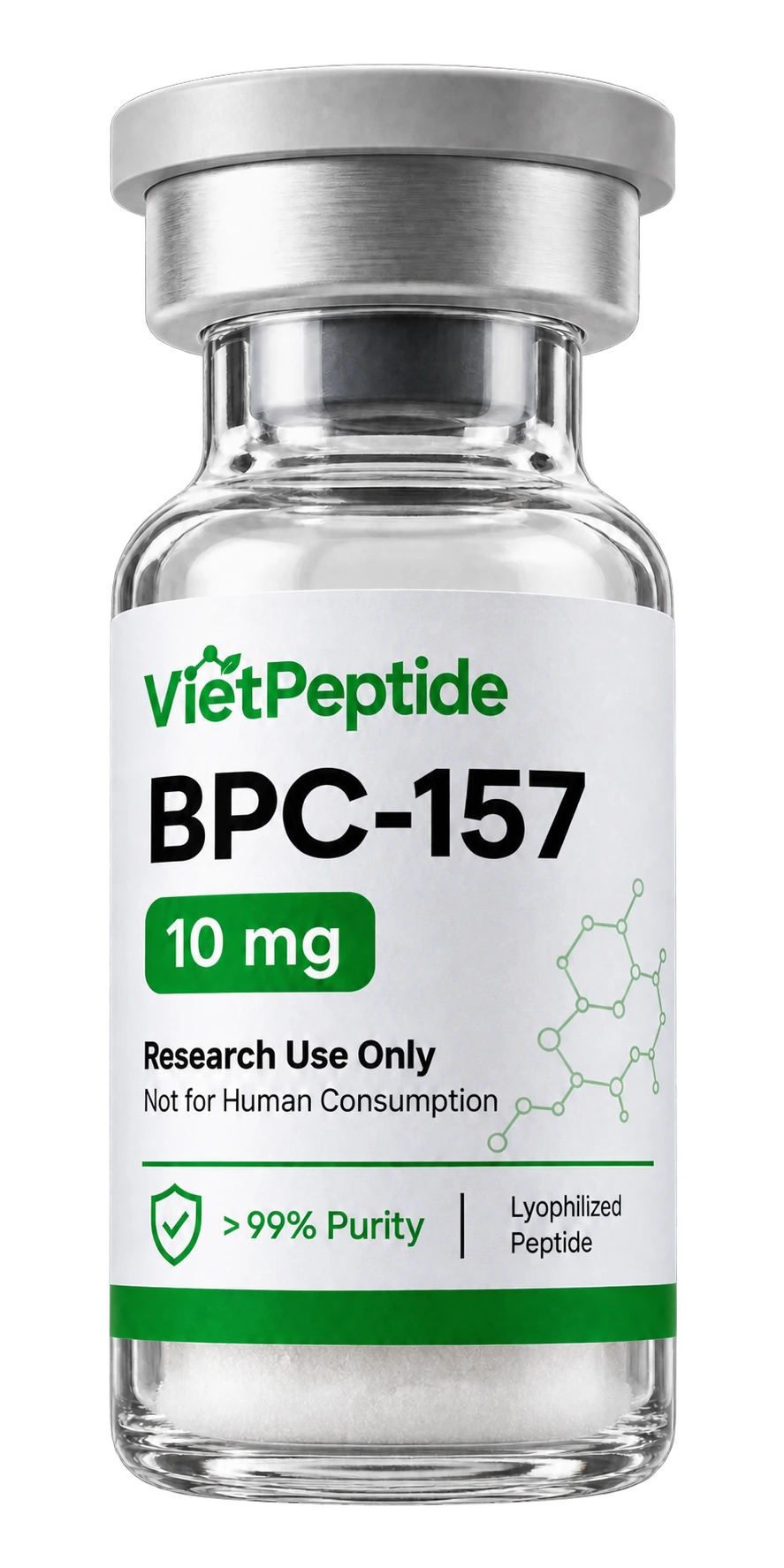
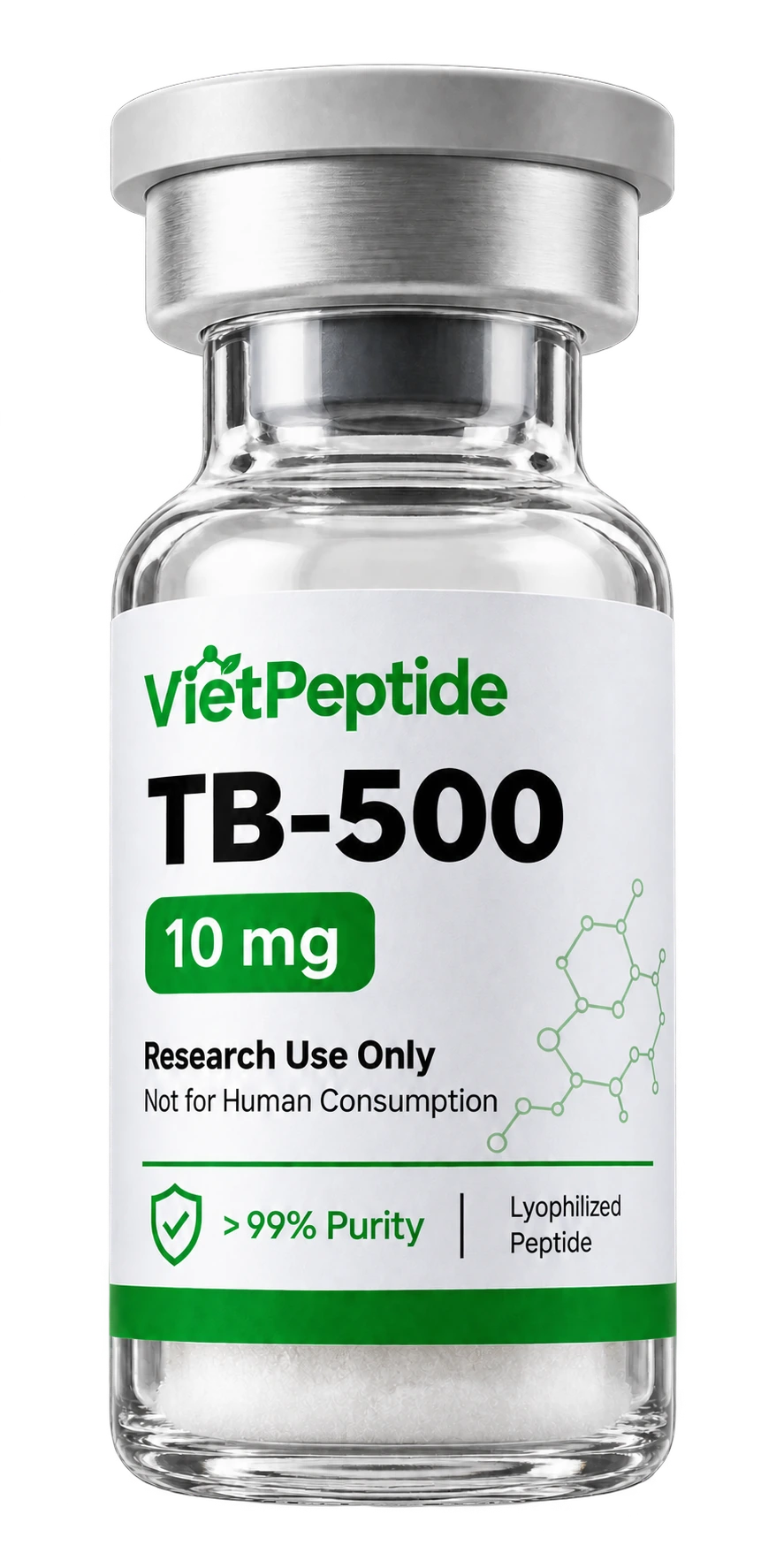
What is the difference
BPC-157 and TB-500 are two of the most studied peptides in tissue research. They act through different pathways and are often referenced together. Sometimes even combined in a single vial. This page explains each one, how they differ, and what the published literature actually covers.
| Property | BPC-157 | TB-500 |
|---|---|---|
| Origin | Synthetic 15-amino-acid fragment (gastric protein sequence) | Synthetic fragment of thymosin beta-4 |
| Primary mechanism | Angiogenesis and fibroblast signalling | Actin binding and cell migration |
| Common formats | 10 mg vial | 10 mg vial |
| Research focus | Tissue repair and vascular research | Cell migration and wound research |
| VND price (this catalog) | 1,400,000 VND | 1,600,000 VND |
| Also available as | BPC+TB blend (20 mg in one vial) | BPC+TB blend (20 mg in one vial) |
Bottom line
Because they work through independent mechanisms. Actin binding vs angiogenesis. They appear together in research protocols. A combined vial is also available, which is one vial instead of two. Both individual products and the blend are listed in the catalog.
Ask about BPC-157 or TB-500
Format, price and timing confirmed before payment. Free swabs + syringe with every order.
Common questions
Which of these peptides is better for research?
Neither is "better": BPC-157 and TB-500 address different research questions through different mechanisms. The choice depends on the research protocol.
Can I order both peptides from this catalog?
Yes. BPC-157 and TB-500 are listed as separate items. 2+ peptides = free bacteriostatic water 3 ml. Price and availability confirmed before payment.
Do I need a separate inquiry for each peptide?
No. You can ask about both in one Telegram message. Mention the names and formats and the manager will confirm availability, total and timing.